Learn how to get a credit card in the UK using only digital documents
The process of applying for a credit card in the UK has become more streamlined with the use of digital documents. This shift towards digitalization allows applicants to submit their applications online, making it a more convenient and efficient process.
One of the key benefits of using digital documents is the ability to check credit card eligibility without affecting one’s credit score. This feature is particularly useful for individuals who are unsure about their eligibility or want to avoid potential negative impacts on their credit score.
The Post Office Credit Card is a popular option among UK residents, offering features such as interest-free balance transfers. By utilizing digital documents, applicants can quickly and securely submit their applications for this and other credit cards.
Key Takeaways
- Digital documents simplify the UK credit card application process.
- Checking credit card eligibility online does not affect credit scores.
- The Post Office Credit Card is a popular choice with attractive features.
- Online credit card applications offer convenience and efficiency.
- Digital documents enable quick and secure submissions.
Understanding the UK credit card landscape
The UK’s credit card industry is distinct, with its own set of rules and provider options. This uniqueness is shaped by various factors, including regulatory frameworks and consumer preferences.
Key Differences Between UK and US Credit Card Systems
One of the primary differences between the UK and US credit card systems lies in their regulatory environments. The UK has stricter regulations regarding credit card lending, with a focus on consumer protection. For instance, the UK’s Financial Conduct Authority (FCA) closely monitors credit card practices, ensuring that lenders conduct thorough affordability checks before issuing credit cards.
In contrast, the US has a more diverse regulatory landscape, with both federal and state-level regulations governing credit card practices. According to a report by the Consumer Financial Protection Bureau, the US has seen a shift towards more stringent regulations in recent years, but the landscape remains more fragmented compared to the UK.
Popular Credit Card Providers in the UK
The UK is home to several prominent credit card providers, including Barclays, HSBC, and Lloyds. These banks offer a range of credit cards catering to different consumer needs, from cashback and rewards cards to balance transfer and low-interest cards.
| Provider | Popular Credit Cards | Key Features |
|---|---|---|
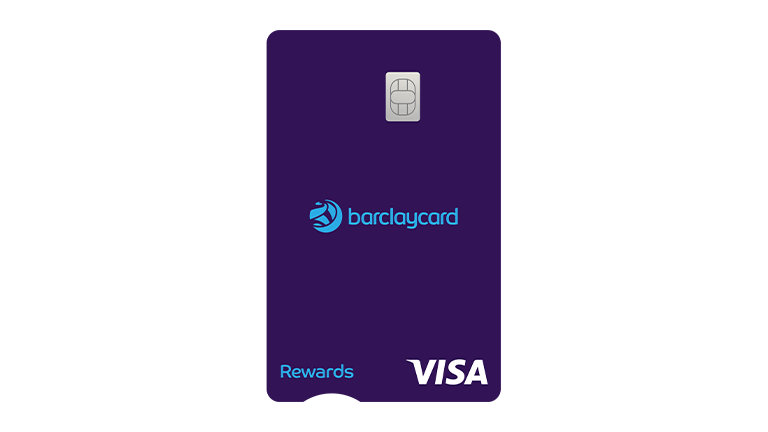
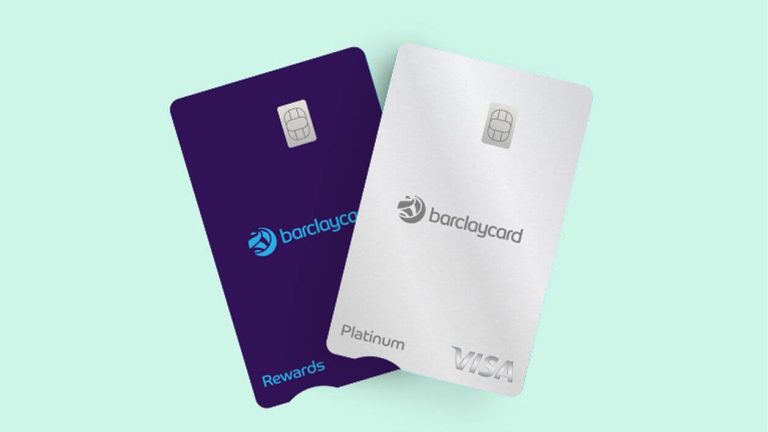
| Barclays | Barclaycard Rewards | Earn points on purchases, flexible redemption options |
| HSBC | HSBC Cashback Credit Card | Cashback on eligible purchases, 0% interest on purchases for a promotional period |
| Lloyds | Lloyds Bank Credit Card | Competitive interest rates, optional cashback on certain categories |
Digital Transformation in UK Banking
The UK banking sector has undergone significant digital transformation in recent years, with many banks now offering fully digital credit card application processes. This shift has been driven by consumer demand for more convenient and streamlined banking experiences.
“The digital transformation of banking has revolutionized the way consumers interact with financial institutions, making it easier and faster to apply for credit cards.”
As the UK credit card landscape continues to evolve, understanding these changes is crucial for individuals looking to apply for a credit card. By recognizing the key differences between the UK and US credit card systems, being aware of popular credit card providers, and leveraging digital banking options, consumers can make informed decisions about their credit card choices.
Why digital-only applications are becoming the norm
UK credit card providers are embracing digital-only applications, offering a more streamlined and efficient process. This shift is transforming the way consumers interact with financial institutions, making it easier to apply for credit cards.
The shift toward paperless processes
The move towards digital-only applications is driven by the need for paperless processes. By reducing reliance on physical documents, credit card providers can process applications more quickly and securely.
Digital applications eliminate the need for paperwork, reducing the time it takes to process applications. This benefits both the consumer and the credit card provider.
Benefits of digital applications
Digital credit card applications offer numerous benefits, including increased convenience and faster processing times. Applicants can submit their information online, track the status of their application, and receive instant decisions in some cases.
- Convenience: Apply at any time from any location with internet access.
- Speed: Faster processing times compared to traditional paper-based applications.
- Security: Digital applications reduce the risk of document loss or theft.
Environmental and efficiency advantages
The environmental benefits of digital-only applications are significant. By reducing the need for paper, credit card providers can minimize their environmental footprint.
| Benefits | Digital Applications | Traditional Applications |
|---|---|---|
| Processing Time | Instant or same-day decisions | Several days or weeks |
| Environmental Impact | Paperless, reducing waste | Requires physical documents, contributing to waste |
| Convenience | 24/7 access from any location | Limited by office hours and location |
The shift towards digital-only credit card applications in the UK is driven by the benefits of increased efficiency, reduced environmental impact, and enhanced customer convenience.
Essential digital documents needed for UK credit card applications
UK credit card applications require specific digital documents to verify identity, address, and financial information. These documents are crucial for a successful application.
Digital Proof of Identity Documents
To verify identity, applicants can provide digital scans of their passport or driving license. These documents are widely accepted by UK credit card issuers.
Passport and Driving License Scans
A clear scan of a valid passport or driving license is essential. Ensure that the scan is legible and includes all relevant details.
Biometric Verification Options
Some credit card issuers may require biometric verification, such as facial recognition or fingerprint scanning, to enhance security.
Digital Proof of Address Documents
To confirm an applicant’s address, digital proof of address documents are required. These can include utility bills or bank statements.
Utility Bills and Bank Statements
A recent utility bill or bank statement showing the applicant’s name and address is acceptable. Ensure the document is dated within the last three months.
Government Correspondence
In some cases, government correspondence, such as a letter from HMRC, may be accepted as proof of address.
Financial Information Documents
To assess an applicant’s creditworthiness, financial information documents are necessary. These include income verification and credit history access.
Income Verification
Applicants may need to provide payslips or self-employed income documentation to verify their income.
Credit History Access
Credit card issuers may access an applicant’s credit history to evaluate their creditworthiness.
| Document Type | Examples | Requirements |
|---|---|---|
| Proof of Identity | Passport, Driving License | Clear scan, valid |
| Proof of Address | Utility Bill, Bank Statement | Dated within last 3 months |
| Financial Information | Payslips, Self-employed income docs | Verifiable income, credit history |
Eligibility requirements for UK credit cards
Understanding the eligibility criteria for UK credit cards is crucial for a successful application. To be eligible, applicants must meet certain requirements related to their age, residency status, credit score, and income.
Age and Residency Requirements
To apply for a credit card in the UK, you typically need to be at least 18 years old and a UK resident. Some credit card providers may have a minimum age requirement of 21 years. Being a UK resident is crucial as it affects your eligibility.
Credit Score Considerations in the UK System
A good credit score is essential for credit card eligibility. In the UK, credit scores range from 0 to 999 or 0 to 700, depending on the credit reference agency. A score above 700 is generally considered good. Factors affecting your credit score include payment history, credit utilization, and length of credit history.
Income Thresholds and Employment Status
Credit card providers assess an applicant’s income to ensure they can repay their debt. While there’s no fixed income threshold, applicants with a stable income and employment status are more likely to be approved. Self-employed individuals may need to provide additional financial information.
Special Considerations for International Applicants
International applicants face additional challenges. Some UK credit card providers offer products for non-residents, but the options are limited. International applicants may need to provide additional documentation, such as proof of income or a valid visa.
Key eligibility requirements include:
- Age: typically 18+ years
- Residency: UK resident
- Credit score: good credit history
- Income: stable income and employment status
Learn how to get a credit card in the UK using only digital documents: Step-by-step guide
With the advancement of digital banking, UK residents can now apply for credit cards using only digital documents. This shift towards digital-only applications has simplified the process, making it more accessible and efficient for applicants.
Preparing your digital documentation
Before starting the application process, it’s essential to prepare the necessary digital documents. This includes having clear, scanned, or photographed copies of your identification, proof of address, and financial information.
Formatting and file requirements
Most UK credit card providers require digital documents to be in specific formats, such as PDF or JPEG. Ensure that your documents are:
- Clear and legible
- In the required file format
- Not larger than the specified file size limit
Digital signature solutions
Some providers may require digital signatures on certain documents. Familiarize yourself with the digital signature tools accepted by your chosen provider, such as Adobe Sign or DocuSign.
Choosing the right credit card for your needs
Research and compare different credit card options to find the one that best suits your financial situation and needs. Consider factors such as interest rates, fees, and rewards programs.
| Credit Card Provider | Interest Rate | Annual Fee | Rewards Program |
|---|---|---|---|
| Barclays | 18.9% | £0 | Cashback on purchases |
| HSBC | 19.9% | £25 | Travel rewards |
| The Post Office Credit Card | 20.9% | £0 | 0% interest on purchases for 6 months |
Navigating the online application process
Once you’ve selected a credit card and prepared your digital documents, it’s time to navigate the online application process.
Creating accounts with UK providers
To apply for a credit card, you’ll typically need to create an account with the provider. This involves providing basic information, such as your name, address, and date of birth.
Document upload procedures
Follow the provider’s instructions for uploading your digital documents. Ensure that you have all required documents ready and that they meet the specified file format and size requirements.
By following these steps and preparing your digital documentation in advance, you can ensure a smooth and efficient online application process for your UK credit card.
Top UK banks offering fully digital credit card applications
The UK banking sector has seen a significant shift towards digital credit card applications. This change is driven by both traditional banks and digital-only banks looking to streamline their processes and improve customer experience.
Traditional Banks with Digital Processes
Traditional banks in the UK have been adapting to the digital age by offering fully online credit card applications. Some of the major players include:
Barclays, HSBC, and Lloyds
These banks have invested heavily in their digital infrastructure, allowing customers to apply for credit cards entirely online. For instance, Barclays offers a seamless digital application process, while HSBC provides an intuitive online platform. Lloyds also follows suit with its digital-friendly application process.
Digital-Only Banks and Their Offerings
Digital-only banks have revolutionized the banking landscape with their fully digital services. Some notable digital-only banks offering credit cards include:
Monzo, Revolut, and Starling
Monzo is known for its user-friendly mobile app, making it easy to apply for a credit card. Revolut offers a range of digital banking services, including credit cards with competitive rates. Starling also provides a comprehensive digital banking experience, including credit card applications.
Comparison of Application Requirements
While both traditional and digital-only banks offer digital credit card applications, their requirements can vary. Traditional banks often require more documentation, whereas digital-only banks tend to have a more streamlined process. It’s essential to compare these requirements to choose the best option for your needs.
Options for US Citizens Applying for UK Credit Cards
US citizens can also apply for credit cards from UK banks, but the process may involve additional steps. Some banks may require proof of income and identity, and the eligibility criteria might be stricter. However, some digital-only banks are more open to international applicants, offering a viable option for US citizens.
Digital verification methods used by UK credit card issuers
Digital verification has become a cornerstone in the UK credit card landscape, with various methods being employed to verify identities. This shift towards digital verification is driven by the need for enhanced security, reduced fraud, and a more streamlined application process.
Video Verification Processes
One of the digital verification methods gaining traction is video verification. This process involves a live video call between the applicant and a verification officer, allowing for a real-time check of the applicant’s identity. Major banks like HSBC and Barclays have adopted this technology to ensure a secure and efficient verification process.
Selfie and ID Matching Technology
Another method used is selfie and ID matching technology, where applicants are required to take a selfie and upload a photo of their ID. Advanced algorithms then compare the two images to verify the applicant’s identity. This method is not only secure but also convenient for applicants.
Open Banking Verification
Open Banking is also being utilized for verification purposes. By accessing applicants’ financial data (with their consent), credit card issuers can assess creditworthiness and verify identities more effectively. This method is seen as a significant step forward in reducing fraud and improving the application process.
Electronic Signature Requirements
In addition to the above methods, electronic signatures are becoming a standard requirement for finalizing credit card applications. This not only speeds up the application process but also provides a legally binding agreement between the issuer and the applicant.
Common challenges and how to overcome them
Despite the advancements in digital banking, UK credit card applicants may encounter specific obstacles during the application process. These challenges can range from verification issues to application rejections, and understanding how to address them is crucial for a successful application.
Dealing with verification issues
Verification issues are a common challenge when applying for a credit card in the UK. To overcome this, ensure that your digital documents are clear and legible. For instance, when using a digital ID, make sure the image is not blurry and that all details are visible. Additionally, double-check that your documents are up-to-date and not expired.
Addressing application rejections
If your application is rejected, it’s essential to understand the reasons behind the decision. Common reasons include a low credit score, high debt-to-income ratio, or incorrect information on the application. To address this, review your credit report, and if necessary, dispute any errors. You can also consider applying for a credit card with a lower credit limit or from a different provider.
Solutions for non-UK residents
Non-UK residents may face additional challenges when applying for a credit card. To overcome this, some banks offer specialized products for international applicants. Research banks that cater to your needs, and be prepared to provide additional documentation, such as proof of income or employment.
Technical problems during digital applications
Technical issues can also hinder the application process. To minimize this risk, ensure your device and browser are compatible with the bank’s application system. Clearing your browser cache and using a stable internet connection can also help prevent technical problems.
| Challenge | Solution |
|---|---|
| Verification issues | Ensure clear and legible digital documents |
| Application rejections | Review credit report, dispute errors, or apply for a different credit card |
| Technical problems | Check device and browser compatibility, clear browser cache |
After approval: Digital management of your UK credit card
With your UK credit card approval, you’ll have access to a range of digital management options that make tracking your finances and making payments convenient.
Setting Up Online Banking
To start managing your credit card digitally, you’ll need to set up online banking. This typically involves creating a username and password on the bank’s website. Most UK banks offer robust online banking platforms that allow you to view your balance, track transactions, and make payments.
Mobile Apps and Digital Tools
Mobile apps provide on-the-go access to your credit card information. You can check your balance, view statements, and even make payments directly from your smartphone. Popular UK banks like HSBC and Barclays offer user-friendly apps.
Digital Statements and Paperless Options
Opting for digital statements is an eco-friendly choice that also helps you stay organized. You can access your statements through the bank’s website or mobile app.
International Access Considerations
If you’re a US citizen or international applicant, you’ll be pleased to know that many UK credit card issuers offer international access to your account through their digital platforms.
Learn how to get a credit card in the UK using only digital documents
Applying for a credit card in the UK has become more accessible than ever, thanks to the use of digital documents. The process now allows applicants to submit their applications online, reducing the need for physical paperwork and streamlining the verification process.
By utilizing digital documents, individuals can efficiently complete their UK credit card applications, enjoying a faster and more convenient experience. Effective credit card management is also crucial, as it enables cardholders to monitor their transactions, make payments, and track their credit scores.
Major banks in the UK, such as Barclays and HSBC, offer digital credit card applications and management tools, providing a seamless experience for users. The use of digital verification methods, including video verification and selfie ID matching, further enhances the application process.
As the UK banking sector continues to evolve, the integration of digital technologies is expected to play a significant role in shaping the future of credit card applications and management. By embracing these advancements, individuals can enjoy a more streamlined and efficient experience when applying for and managing their UK credit cards.