How Foreigners Can Obtain Credit Cards in European Countries in 2025
The European credit card landscape is evolving, offering various options for non-EU citizens and expats. As the financial landscape continues to expand, understanding the eligibility criteria and application process for credit cards has become increasingly important.
In 2025, the market caters to diverse needs, providing opportunities for individuals to access credit facilities. To navigate this landscape effectively, it’s crucial to comprehend the requirements and documentation needed for a successful application.
This guide provides an overview of the key aspects to consider when applying for credit cards in Europe as a foreigner, ensuring a smooth and informed process.
Key Takeaways
- Eligibility criteria for credit cards vary among European providers.
- Documentation requirements may differ based on the applicant’s nationality.
- Understanding the European credit card landscape is crucial for a successful application.
- Non-EU citizens can access various credit card options in Europe.
- The application process involves several key steps and considerations.
The European Credit Card Landscape for Foreigners in 2025
Foreigners seeking credit cards in Europe in 2025 face a shifting landscape driven by regulatory updates and technological advancements. The European credit card market has become more complex due to evolving regulatory requirements and changes in consumer protection laws.
Current Regulatory Environment
The current regulatory environment in Europe is characterized by a strong emphasis on consumer protection and data security. Regulations such as the General Data Protection Regulation (GDPR) and the Payment Services Directive (PSD2) have significantly impacted how credit card issuers operate. These regulations aim to enhance security, transparency, and consumer rights, affecting how foreigners can obtain credit cards.
Major Changes Since 2023
Since 2023, there have been notable changes in European credit card regulations. One major development is the increased focus on digital payments and the adoption of biometric verification methods. Additionally, there has been a shift towards more stringent Anti-Money Laundering (AML) and Know Your Customer (KYC) requirements, making it essential for foreigners to understand these changes when applying for credit cards in Europe.
The evolving landscape underscores the need for foreigners to stay informed about the regulatory environment and its implications for credit card applications. By understanding these changes, individuals can better navigate the process of obtaining a credit card in Europe.
Eligibility Requirements for Non-EU Citizens
Eligibility for credit cards among non-EU citizens in Europe is determined by several key factors. Credit card providers assess various aspects of an applicant’s financial and legal status to determine their creditworthiness.
Residency Status Considerations
Residency status plays a crucial role in determining eligibility for a credit card in Europe. Most banks require applicants to be legal residents of the country where they are applying for a credit card. This involves having a valid residence permit or visa that allows them to stay in the country for an extended period.
- Valid residence permit
- Long-term visa
- Proof of address
Income Requirements
Credit card issuers in Europe typically require applicants to demonstrate a stable income to ensure they can repay their credit card debt. The specific income requirements can vary significantly between different credit card providers and the type of credit card applied for.
- Minimum income thresholds
- Employment status verification
- Self-employed individuals may need to provide additional financial documentation
Credit History Evaluation
A good credit history is essential for credit card approval. Credit card providers evaluate an applicant’s credit history to assess their creditworthiness and likelihood of repaying their debt. Non-EU citizens may face challenges in establishing a credit history in Europe, but some banks offer solutions to help build or transfer their credit history.
- Credit scoring models
- Credit history reports
- Some banks offer credit-builder products
Essential Documentation Needed for Applications
As a foreigner, applying for a credit card in Europe involves submitting specific required documents. To streamline the application process, it’s crucial to understand what documentation is needed.
Identification Documents
Valid identification is a prerequisite for credit card applications. Typically, a passport is required, but some issuers may also accept other forms of ID, such as a national ID card or driver’s license.
Proof of Address
Credit card issuers need to verify an applicant’s address. This can be done by providing utility bills, bank statements, or a rental agreement that clearly shows the applicant’s name and address.
Financial Statements
To assess creditworthiness, issuers require financial statements. This may include bank statements, proof of income, or tax returns. The specific financial documents required can vary depending on the issuer and the type of credit card applied for.
| Document Type | Examples | Purpose |
|---|---|---|
| Identification Documents | Passport, National ID, Driver’s License | Verify Identity |
| Proof of Address | Utility Bills, Bank Statements, Rental Agreement | Confirm Residency |
| Financial Statements | Bank Statements, Proof of Income, Tax Returns | Assess Creditworthiness |
How Foreigners Can Obtain Credit Cards in European Countries in 2025
In 2025, foreigners have multiple pathways to obtain credit cards in European countries, reflecting the continent’s evolving financial landscape. The application process for credit cards has become more accessible, with both online and in-person options available to cater to different preferences and needs.
Online Application Process
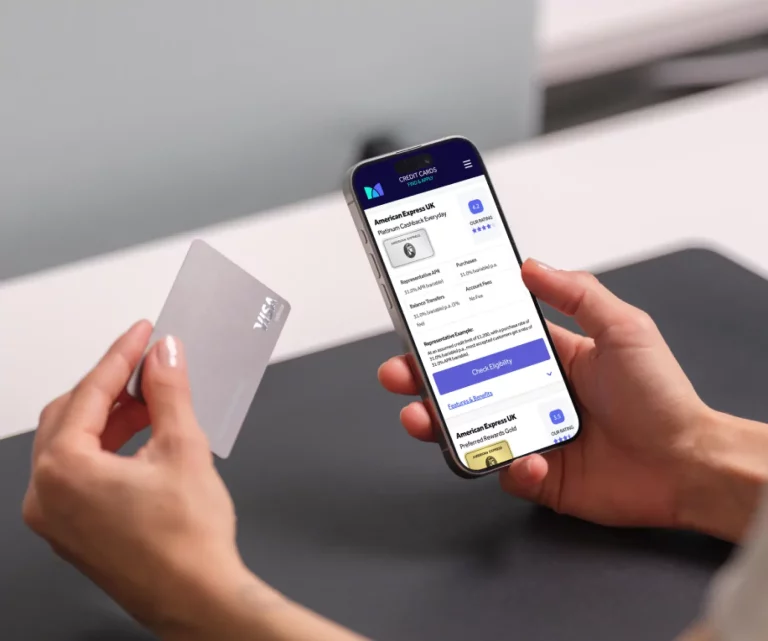
Many European credit card providers now offer online applications, making it easier for foreigners to apply from anywhere in the world. The online application process typically involves filling out a digital form with personal and financial information, uploading required documents, and submitting the application for review. Major banks such as HSBC and Barclays offer user-friendly online application portals, allowing applicants to track the status of their application in real-time.
- Visit the bank’s website and navigate to the credit card section.
- Fill out the online application form with accurate personal and financial details.
- Upload required documents, such as identification and proof of income.
In-Person Application Options
While online applications are convenient, some foreigners may prefer or need to apply in person, especially for premium credit card products or if they have complex financial situations. In-person applications allow for direct interaction with bank representatives, who can provide guidance and answer questions. Major cities in Europe, such as London, Paris, and Berlin, have numerous bank branches where foreigners can apply for credit cards.
“In-person applications can be particularly beneficial for those with unique financial circumstances or those who prefer a more personalized service.”
Approval Timelines
The approval timeline for credit card applications in Europe can vary significantly depending on the bank, the complexity of the application, and the applicant’s financial history. Generally, online applications are processed within a few days to a week, while in-person applications may take longer due to the additional verification processes involved. Some banks offer instant approval or provisional credit limits during the application process, enhancing the user experience.
Foreigners should be prepared to wait a few days to a couple of weeks for their application to be processed. Ensuring that all required documents are submitted correctly and that the application is complete can help expedite the approval process.
Best European Countries for Foreigner-Friendly Credit Cards
Several European countries stand out for their foreigner-friendly credit card options in 2025. As the European credit card landscape continues to evolve, non-EU citizens are finding it increasingly easier to obtain credit cards in various countries. This section will explore the best European nations for foreigners to secure credit cards, focusing on Germany, Spain, Netherlands, and France.
Germany
Germany has emerged as a leader in providing credit card options for foreigners. The country’s major banks have adapted to the growing expat community, offering a range of credit card products.
Deutsche Bank and N26 Options
Deutsche Bank, one of Germany’s largest banks, offers credit cards to non-residents who meet specific eligibility criteria. N26, a digital bank, provides a more streamlined process, allowing foreigners to apply online with minimal documentation. N26’s credit card options are particularly appealing to expats due to their user-friendly mobile app and competitive fees.
Spain
Spain is another country that has made significant strides in offering credit cards to foreigners. The Spanish banking sector has become increasingly accommodating to non-EU citizens.
Santander and BBVA Programs
Santander, one of Spain’s largest banks, offers a range of credit card options for foreigners, including those with no Spanish credit history. BBVA also provides competitive credit card products, with a straightforward application process for non-residents.
Netherlands
The Netherlands is known for its welcoming attitude towards expats, and this extends to its credit card market. Foreigners can find various credit card options in the country.
ING and ABN AMRO Offerings
ING offers a range of credit cards to non-residents, with competitive interest rates and rewards programs. ABN AMRO also provides credit card options for foreigners, with a focus on digital banking services.
France
France, known for its stringent financial regulations, has begun to open up its credit card market to foreigners. While the process can be more challenging than in other countries, there are still viable options available.
BNP Paribas and Société Générale Solutions
BNP Paribas, one of France’s largest banks, offers credit cards to non-residents who meet specific criteria. Société Générale also provides credit card options for foreigners, with a range of products tailored to different needs.
In conclusion, Germany, Spain, Netherlands, and France offer some of the best credit card options for foreigners in Europe. By understanding the specific offerings and requirements of each country, non-EU citizens can make informed decisions when applying for credit cards in these nations.
Types of Credit Cards Available to Non-Residents
Credit card providers in Europe offer diverse products for non-residents, including secured and digital banking cards. These options cater to different financial needs and statuses, ensuring that foreigners have access to suitable credit solutions.
Secured Credit Cards
Secured credit cards are designed for individuals who are new to the European credit system or have a limited credit history. These cards require a security deposit, which becomes the credit limit, allowing cardholders to demonstrate responsible credit behavior. Secured credit cards are an excellent option for non-residents looking to establish or rebuild their credit history in Europe.
Digital Banking Cards
Digital banking cards are a modern and convenient option for non-residents. These cards are often linked to digital wallets and can be managed entirely online. Digital banking cards offer flexibility and ease of use, making them ideal for individuals who prefer to conduct their financial transactions digitally.
Premium Options for High-Income Foreigners
For high-income foreigners, premium credit cards offer a range of exclusive benefits, including travel insurance, concierge services, and rewards programs. These cards often come with higher credit limits and additional perks, such as airport lounge access. To qualify for premium credit cards, applicants typically need to demonstrate a high income and a good credit history.
| Credit Card Type | Key Features | Target Audience |
|---|---|---|
| Secured Credit Cards | Requires security deposit, builds credit history | New to European credit system or limited credit history |
| Digital Banking Cards | Managed online, linked to digital wallets | Prefers digital financial transactions |
| Premium Credit Cards | Exclusive benefits, high credit limits, rewards programs | High-income individuals with good credit history |
Fees and Costs to Consider
The total cost of owning a credit card in Europe includes several fees that foreigners should understand. These fees can significantly impact the overall cost of using credit cards.
Annual Fees Comparison
Annual fees vary widely among credit card issuers in Europe. Some premium cards charge annual fees exceeding €100, while basic cards may have no annual fee at all. For instance, a comparison of popular credit cards reveals that cards offering travel rewards tend to have higher annual fees.
| Card Type | Annual Fee (€) |
|---|---|
| Basic Card | 0 |
| Premium Card | 120 |
| Travel Rewards Card | 150 |
Foreign Transaction Fees
Foreign transaction fees are charges applied when a card is used outside the country of issuance. These fees can range from 1% to 3% of the transaction amount. Some credit cards, especially those designed for travelers, waive these fees.
Example: A €1,000 purchase with a 2% foreign transaction fee will incur a €20 charge.
Currency Conversion Considerations
When making transactions in a foreign currency, the card issuer converts the amount using the prevailing exchange rate. Some issuers may add a markup to the exchange rate, increasing the cost of the transaction. It’s essential to understand the conversion process and any associated fees.
Tip: Choosing a credit card with competitive exchange rates and lower fees can save money on international transactions.
Digital Innovations Making Credit Access Easier
The credit card industry is on the cusp of a revolution, driven by digital innovations that are simplifying access for foreigners in Europe. These advancements are not only enhancing the user experience but also making it easier for non-residents to obtain credit cards.
Biometric Verification Systems
Biometric verification systems are becoming increasingly popular in the credit card industry. These systems use unique physical characteristics, such as fingerprints or facial recognition, to verify identities. This technology reduces the risk of identity theft and streamlines the application process. For instance, Visa has implemented biometric verification in several European countries, enhancing security and convenience.
Cross-Border Credit Scoring
Cross-border credit scoring is another significant innovation. It allows credit card issuers to assess the creditworthiness of applicants from other countries, using data from international credit bureaus. This development is particularly beneficial for foreigners who have a good credit history in their home country but struggle to get approved in Europe. Experian and other credit bureaus are at the forefront of this innovation, providing comprehensive credit reports that transcend borders.
Blockchain-Based Identity Verification
Blockchain technology is being explored for identity verification purposes. It offers a secure and decentralized way to store and manage personal data, reducing the reliance on traditional documentation. This method can significantly simplify the application process for credit cards. As
“Blockchain has the potential to revolutionize identity verification, making it more secure and efficient,”
says an expert fromDeloitte. A comparison of these innovations is shown in the table below.
| Innovation | Key Benefit | Industry Leader |
|---|---|---|
| Biometric Verification | Enhanced Security | Visa |
| Cross-Border Credit Scoring | Global Credit Assessment | Experian |
| Blockchain-Based Identity Verification | Decentralized Security | Deloitte |
Building Credit History as a Foreigner in Europe
Building a credit history as a foreigner in Europe can be daunting, but it’s achievable with the right approach. Establishing a robust credit history is crucial for accessing various financial products, including credit cards and loans.
Starting with Basic Banking Products
Foreigners can start building their credit history by opening basic banking products such as a savings account or a current account. These products demonstrate financial responsibility and provide a foundation for further credit-building activities.
For instance, having a savings account shows lenders that an individual can manage their finances effectively. Some banks may also offer overdraft facilities to their current account holders, which can be a stepping stone towards credit products.
Credit-Building Strategies
Several strategies can help foreigners build their credit history in Europe. One effective method is to apply for a secured credit card, which requires a security deposit that becomes the credit limit. Using this card responsibly and making timely payments can significantly improve one’s credit score.
Another strategy is to become an authorized user on someone else’s credit account, preferably someone with a good credit history. This can help benefit from their positive credit behavior.
Timeline Expectations
The timeline for building a credit history varies depending on individual circumstances. Generally, it can take several months to a few years to establish a robust credit history.
| Activity | Timeline | Expected Outcome |
|---|---|---|
| Opening a savings or current account | 1-3 months | Establishes basic financial credibility |
| Applying for a secured credit card | 3-6 months | Starts building credit history |
| Becoming an authorized user | Immediate, but benefits accrue over time | Benefits from the primary user’s credit behavior |
How Foreigners Can Obtain Credit Cards in European Countries
As the European financial landscape continues to evolve, foreigners can now more easily obtain credit cards in European countries. The key takeaways from this article highlight the importance of understanding the current regulatory environment, meeting eligibility requirements, and being aware of the essential documentation needed for applications.
Foreigners can leverage digital innovations, such as biometric verification systems and cross-border credit scoring, to streamline the application process. By choosing the right type of credit card, such as secured credit cards or digital banking cards, and being mindful of fees and costs, foreigners can effectively manage their finances in Europe.
In 2025, credit cards for foreigners in Europe offer a range of benefits and opportunities. By following the guidelines outlined in this article, foreigners can successfully obtain credit cards and build a strong credit history, enabling them to fully integrate into the European financial system.